Introduction
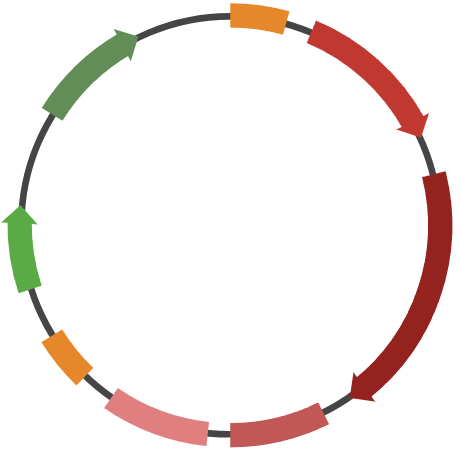
Plasmids are mobile genetic elements that carry key genes involved in antibiotic resistance, virulence, and metabolism. These genes can be horizontally transferred across diverse bacterial species, playing a critical role in microbial adaptability and pathogenesis. Current studies have reported that plasmid mutations can enhance bacterial antibiotic resistance, increase bacterial virulence, affect host metabolic processes, and potentially contribute to changes in the tumor microenvironment, thereby promoting cancer development. Every time a plasmid replicates, there is a chance for new mutations to occur in its genome. Most mutations are functionally neutral, appearing and disappearing randomly. However, some may persist and confer selective advantages—such as enhancing plasmid transmissibility, improving environmental adaptability, increasing disease severity, disrupting host metabolism, or reducing the efficacy of antibiotic treatments. To date, there is no available resource for detecting mutations or providing functional annotations for them.
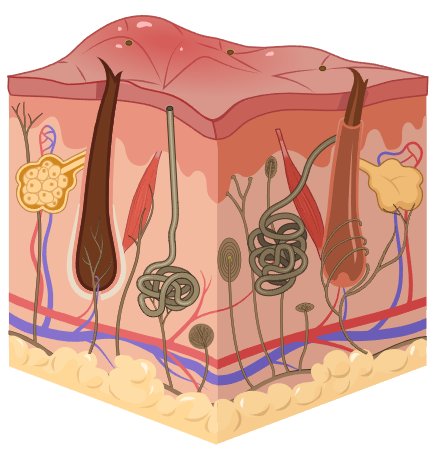
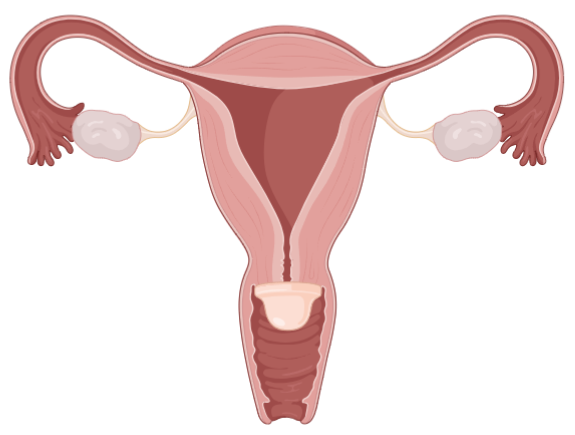
To fill this gap, we developed PlasmidVar, a function annotation database for plasmid genetic variation in human microbiome, aiming to provide a resource and reference for intensive functional annotations of common plasmid mutations. To do this, we collected 212,560 publicly available human metagenomes, along with metadata, from four major body sites: skin, oral cavity, gut, and vagina. These samples collectively represent the full spectrum of the human-associated microbiome, spanning both external (e.g., skin) and internal (e.g., oral, gut, and vaginal) microbial environments.
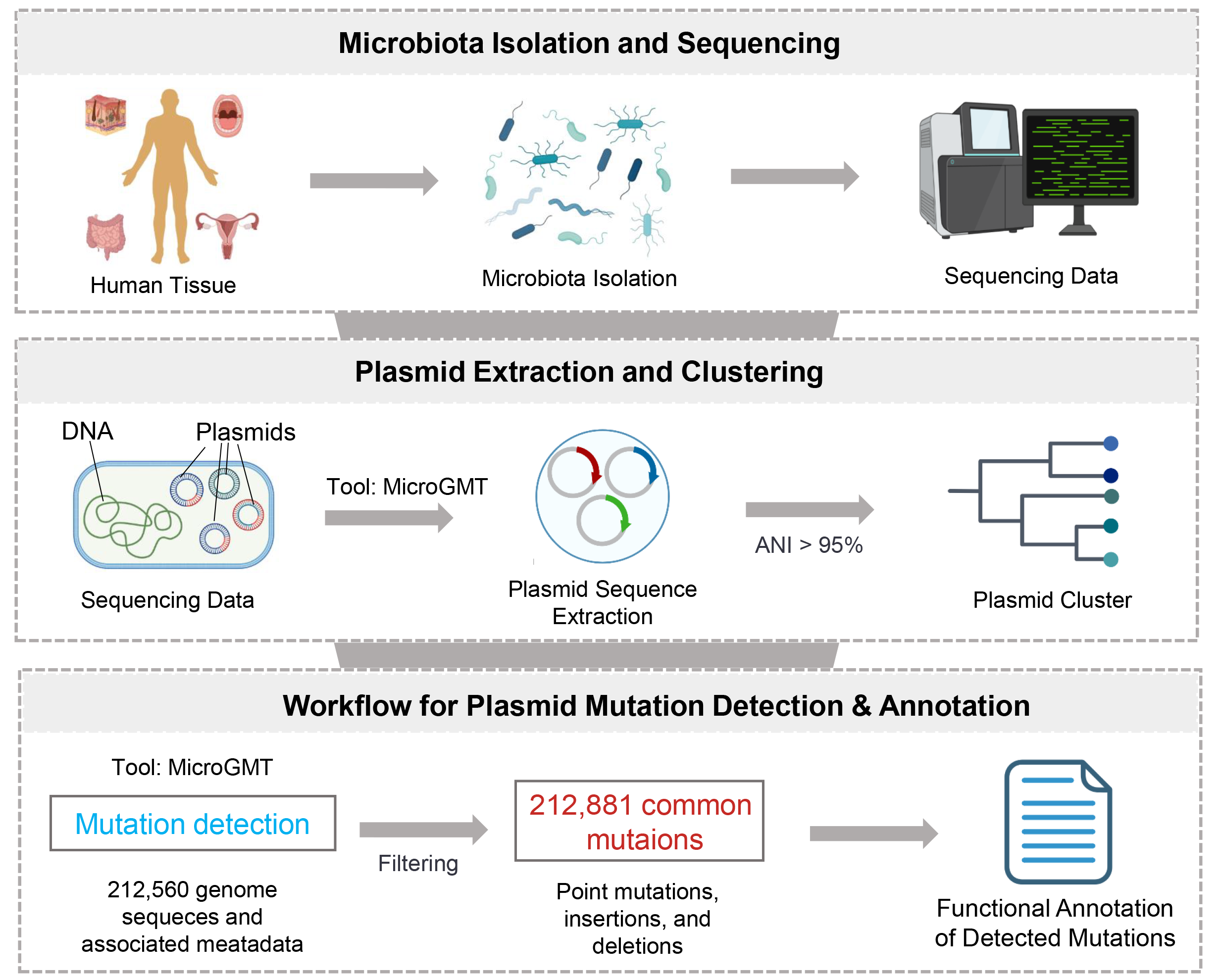
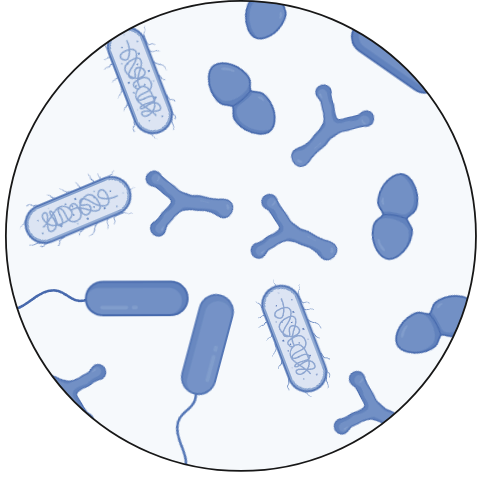
The dataset spans 153 bacterial orders, 336 families, 1361 genera, and 4060 species. After the filtering process, we identified a total of 212,881 common mutations from 3,419 plasmid cluster. We conducted comprehensive functional annotation by integrating the sequence information and metadata of plasmid for them. Our database will be a unique and most comprehensive resource for identifying the impact of plasmid mutations.